Highly Rated Roof Lanterns for Home Renovations
Current Roof Lanterns: A Superb Merger of Sophistication and Function
Modern roof lanterns represent a striking convergence of aesthetic appeal and functional purpose. They improve daylight in living spaces while also contributing to power savings. With multiple styles and materials offered, homeowners can discover choices that suit their distinct tastes and requirements. However, the choosing procedure can be go now complex. Comprehending how to select and install the correct lantern can make a substantial difference in both appearance and functionality.
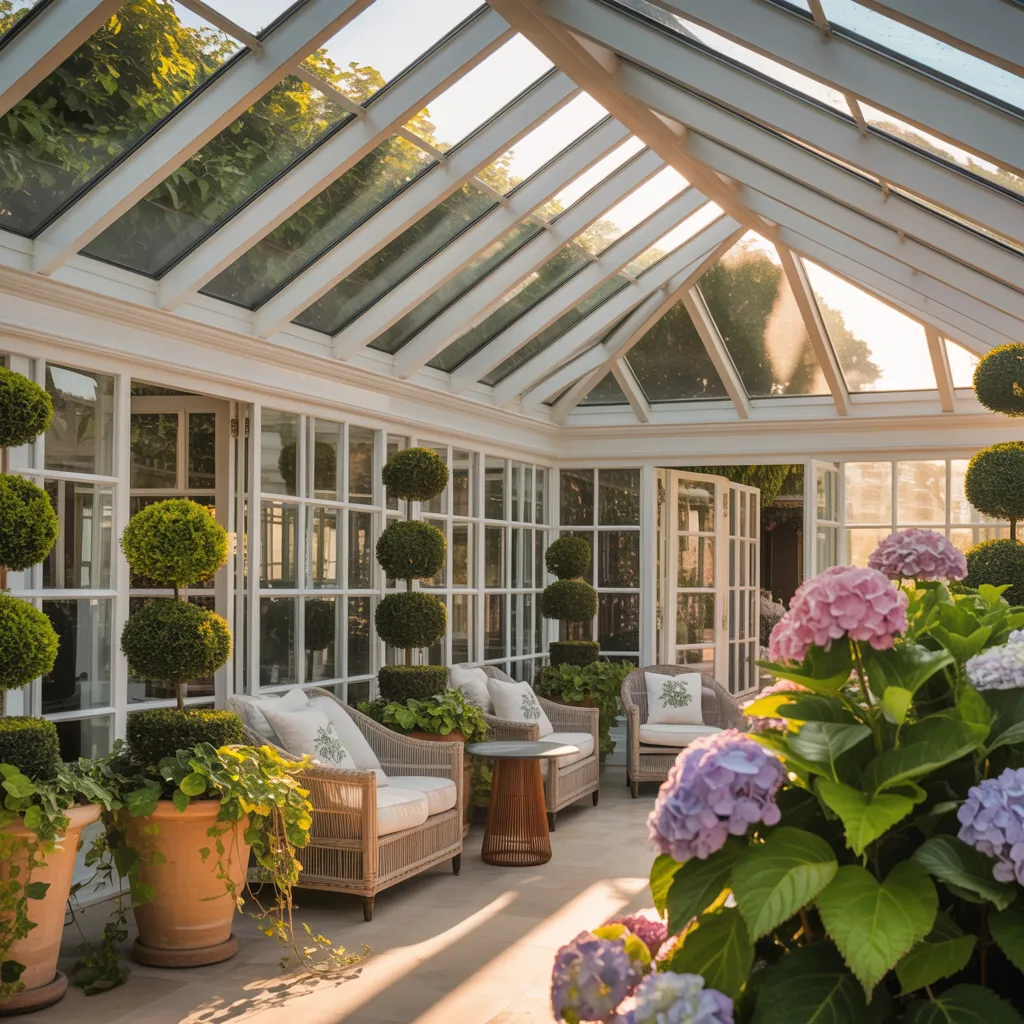
Roof Lanterns: Brightening Your Space While Conserving Energy
Many homeowners are discovering how roof lanterns can considerably improve daylight in their dwellings while promoting energy efficiency. These architectural features allow sunlight to penetrate deeper into interiors, reducing reliance on artificial lighting during the day. As a result, homes become more illuminated and more inviting, establishing a warm atmosphere for family events and daily activities.
In addition, roof lanterns can substantially aid energy efficiency. By utilizing sunlight, they lower electricity bills and decrease the carbon footprint. Enhanced daylight also helps with managing indoor temperatures, minimizing the need for heating and cooling systems.
The strategic placement of roof lanterns can improve light distribution, confirming balanced brightness throughout the room. With various options available, homeowners can integrate these features into their existing architecture with ease, enabling for a balanced blend of aesthetics and functionality. Ultimately, roof lanterns offer a sustainable choice for modern living spaces.
Finding the Best Style for Your Property
Determining the right type of roof lantern is important for improving a home's visual appeal. Alignment with the architectural style and thoughtful consideration of material and finish options can greatly influence the overall appearance and atmosphere. Thoughtful selections in these areas ensure that the roof lantern complements the existing design while offering functional advantages.
Building Style Consistency
Choosing the best architectural style for a roof lantern can greatly improve the overall aesthetic of a home. Compatibility with existing architectural elements is essential; for instance, a minimalist lantern suits contemporary designs, while ornate styles harmonize with traditional homes. Victorian or Edwardian properties benefit from decorative lanterns that mirror their historical details, creating a cohesive look. Conversely, a sleek, angular roof lantern fits modern builds, emphasizing clean lines and open spaces. Bungalows or craftsman-style homes may prefer lanterns that incorporate natural materials and simpler forms, reflecting their earthy charm. Ultimately, selecting a roof lantern that complements the home's overall style not only enhances its appearance but also strengthens architectural coherence and character.
Material and Finish Options
While studying material and finish options for roof lanterns, homeowners must weigh how these choices determine both visual quality and practical function. Common selections include aluminum, timber, and uPVC, each furnishing distinct advantages. Aluminum is not heavy and resistant to corrosion, making it a durable option for modern aesthetics. Timber, while graceful and inviting, necessitates regular maintenance to maintain its beauty. uPVC furnishes a reasonably-priced alternative, presenting low maintenance without sacrificing visual appeal.
Finish options, such as powder coating or anodizing for aluminum, enhance durability and permit for multiple color choices. Wood treatments can vary from natural stains to painted surfaces, offering versatility. Ultimately, choosing the appropriate substance and coating not only improves the roof lantern's visual appeal but also ensures durability and functionality in any home environment.
Critical Directions for Placing Your Roof Lantern
Installing a roof lantern can change a space, flooding it with sunlight and boosting its overall visual appeal. To confirm a successful installation, meticulous planning is vital. First, examine the load-bearing capacity of the roof to support the lantern's weight. Next, select the fitting proportions and design that harmonizes with the existing architecture.
Assemble all required tools and materials prior to setup. Adequate sealing is critical to avoid leaks; apply premium silicone or flashing tape along the edges. It is advisable to work with a helper, as handling large panels can be unwieldy. Additionally, verify that the lantern is correctly aligned with the roof's pitch to enable drainage.

Lastly, assess the location of electrical conduit if incorporating lighting. Implementing these tips will create a well-installed roof lantern that enhances both light and style, generating a welcoming atmosphere in any space.
Care Suggestions for Long-Lasting Roof Lanterns
Maintaining roof lights is vital for assuring their extended lifespan and ideal performance. Frequent cleaning is important; particles and dirt can reduce brightness and affect aesthetics. Homeowners should use a delicate cloth and a gentle glass cleaner to keep the surface scratch-free. Checking seals and joints regularly helps prevent leaks that could damage internal areas. If any wear is noticed, timely repairs can save costly replacements later.
In addition, making sure adequate drainage around the lantern prevents water accumulation, which can cause structural issues. During seasonal changes, checking for any loose fittings or structural soundness is beneficial. It's also recommended to trim surrounding foliage to reduce debris buildup. Finally, thinking about professional maintenance every few years can provide a comprehensive evaluation and maintenance that ensures the roof lantern remains a attractive and practical feature of the home for years to come.
Motivating Transformations With Roof Lanterns
In what ways can architectural skylights revolutionize a space into a stunning focal point? These architectural features elevate both visual beauty and functionality, allowing natural light to flood interiors while creating a sense of airiness. By installing a roof lantern, homeowners can enhance the character of living areas, kitchens, or even hallways.
Today's up-to-date styles cater to many different design tastes, from sleek minimalism to ornate traditionalism. This diversity means roof lanterns can blend smoothly into any home, reflecting personal style while enhancing property value.
Together with their striking looks, roof lanterns yield practical benefits. They improve ventilation and lower dependence on artificial lighting, fostering an eco-friendly living environment.
Ultimately, the strategic arrangement of a roof lantern can spark transformations that turn ordinary spaces into extraordinary ones, making them not just functional, but also enchanting places where families can unite and establish cherished moments.
Frequent Pitfalls to Sidestep When Opting For Roof Lanterns
Selecting the appropriate skylight fixture can meaningfully impact the complete success of the redesign shaped by these design principles. A frequent error is neglecting proportions; an excessively oversized lantern can dominate a area, while one that is too small may not provide adequate light. In turn, many disregard the significance of material quality. Opting for inferior materials can lead to complications with wear resistance and energy efficiency.
An often-made mistake is disregarding the style of the existing architectural design. A light window that clashes with the property's aesthetic can affect visual balance. Moreover, not taking into account the orientation and position can produce insufficient natural light during certain times of the day. Finally, forgoing professional advice or depending entirely on self-installation can create improper mounting, harming both aesthetics and functionality. By avoiding these pitfalls, property owners can guarantee their light domes enrich their homes in an effective manner.
Frequently Requested Questions
Do Roof Lanterns Function on Flat Roofs?
Roof lanterns are certainly appropriate for flat roofs. They provide daylight and ventilation, improving the visual appeal of the space while guaranteeing adequate drainage and structural stability, making them a functional choice for such designs.
What Materials Are Roof Lanterns Commonly Built With?
Roof lanterns are generally made from substances including aluminum, uPVC, and glass. These choices ensure strength, energy efficiency, and design appeal, enabling a mix of modern design and practical use in various architectural settings.
Is it Possible to Install Ceiling Skylights in Freezing Environments?
Yes, roof skylights may be utilized in cold climates. Proper insulation and premium construction materials ensure energy efficiency and durability, enabling them to withstand harsh weather conditions while delivering natural light and aesthetic appeal.
How Much Do Roof Lanterns Impact the Resale Value of Your Home?
Roof lanterns often boost home resale value by improving daylight and visual appeal. Prospective purchasers commonly value the added design character, rendering properties with such features more sought-after in competitive real estate markets.
Are there energy-saving options offered for roof lanterns?
Yes, there are energy-efficient solutions available for roof lanterns. Many makers offer models with dual or triple-pane glass and low-e coatings, which minimize heat loss and optimize overall energy performance in homes.